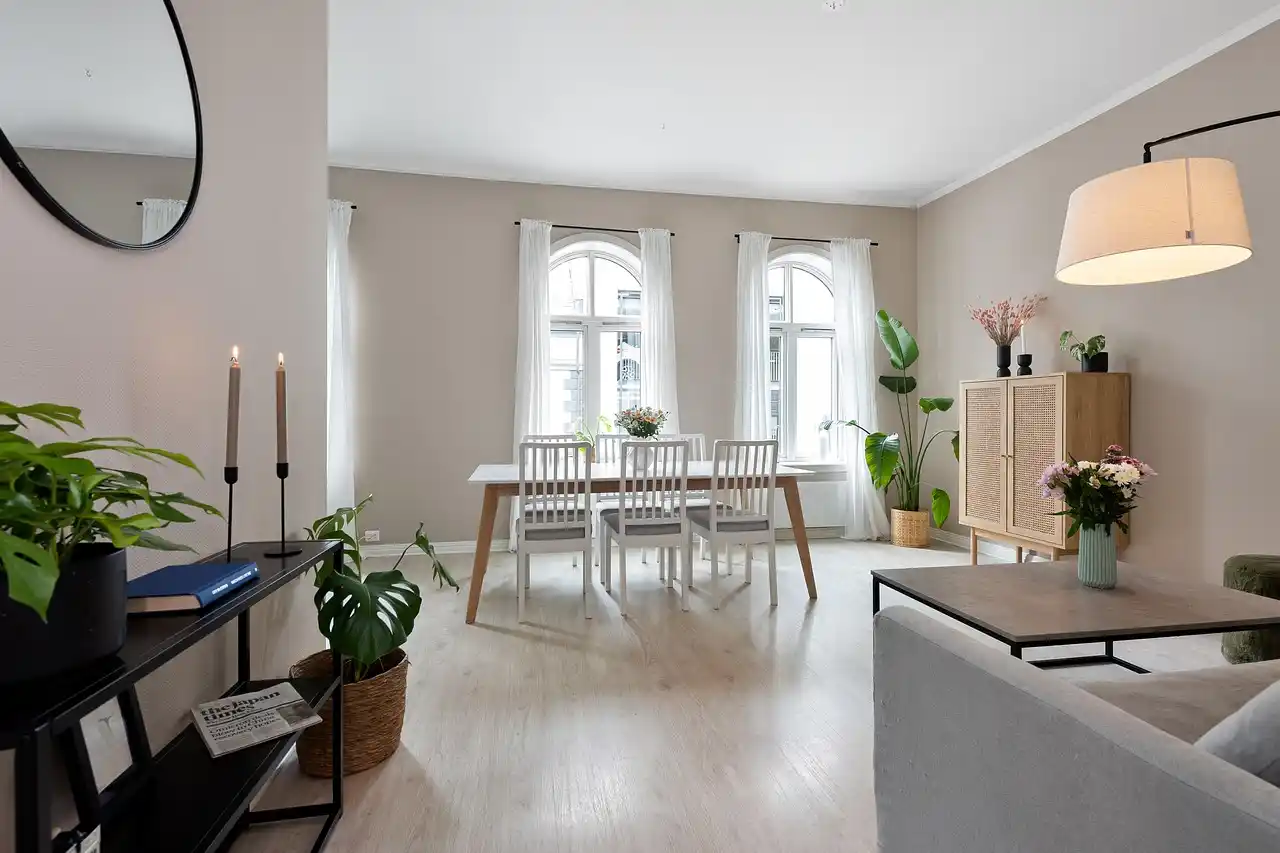
Find home window tinting near me: benefits, costs, and how to choose a trusted installer.
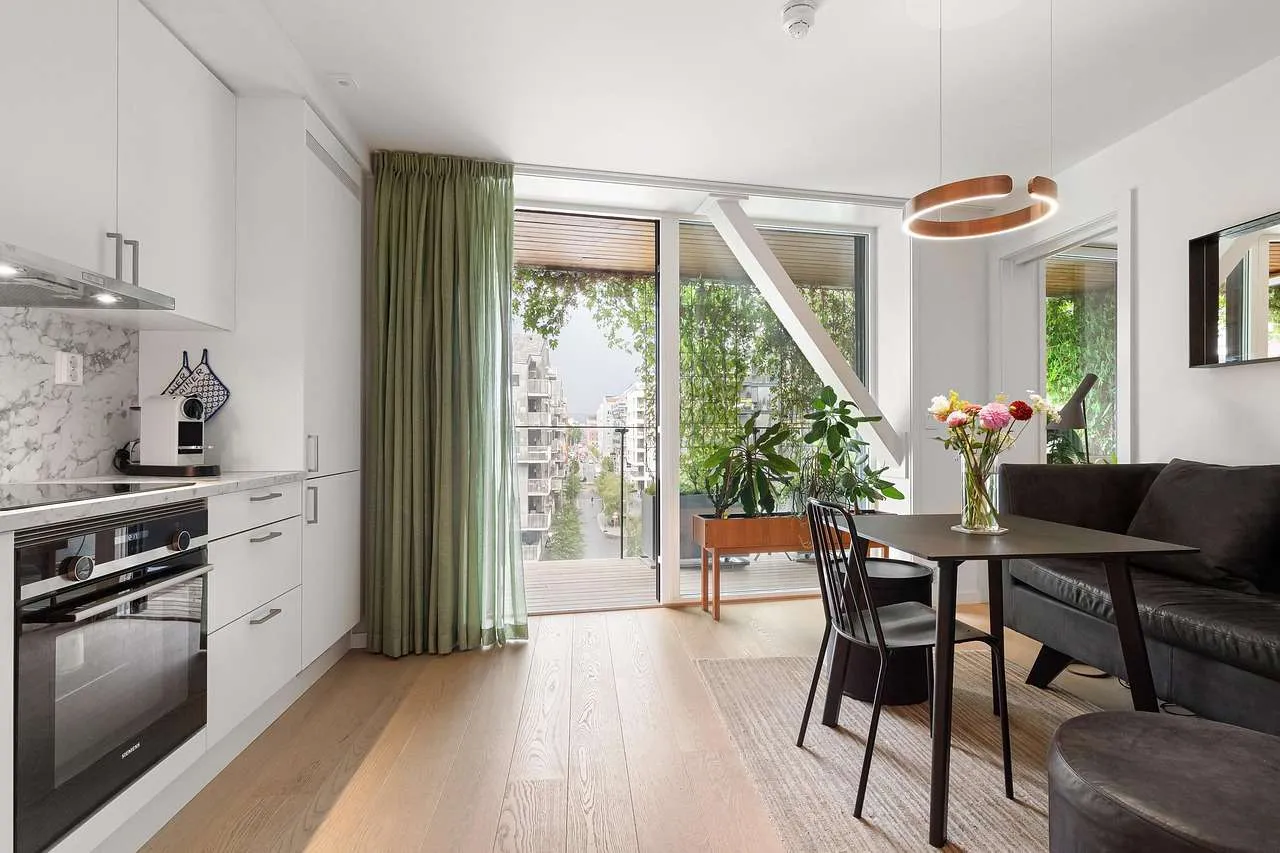
Searching for home window tinting near me? You’re likely aiming to reduce heat, lower energy bills, and protect interior furnishings. This guide explains how residential window film works, the benefits, and how to choose a reputable local installer with the right credentials and warranties.
What is home window tinting?
Home window tinting uses a thin film applied to the interior surface of glass. The film reduces heat gain, blocks UV rays, minimizes glare, and can improve privacy while preserving outward visibility. Modern films are designed to be durable, optically clear, and can be chosen to meet local compliance and aesthetic goals.
Benefits of tinting for homes
- Energy efficiency: Heat rejection lowers air conditioning load in summer and reduces heat loss in winter, contributing to lower utility bills.
- UV protection: Most films block a large percentage of ultraviolet rays, helping protect furnishings, flooring, and artwork from fading.
- Glare reduction and comfort: Reducing glare improves screen visibility and indoor comfort during bright days.
- Privacy and safety: Some films offer daytime privacy and added shatter resistance, enhancing security without darkening interiors excessively.
How to find home window tinting near me
Begin with a local search and read customer reviews. Look for installers who provide warranties, licenses, and insurance. Ask about manufacturer certifications from brands such as 3M, Llumar, or Solar Gard, which indicate training and adherence to product standards. Request a portfolio of residential projects and references to verify quality and reliability. Compare film options, warranties, and estimated timelines to ensure you choose a solution that fits your goals and budget.
Steps to choose the right installer
- Request multiple in person or virtual estimates to compare scope and price.
- Ask about film types and energy performance data for your climate.
- Verify license, liability insurance, and a written workmanship warranty.
- Review the installation process, preparation steps, and curing times.
- Check local window tint regulations to ensure the chosen film complies with legal limits.
Tint types and costs
Film technology varies in heat rejection, UV protection, and glare control. The table below provides a quick guide to help you decide which option best fits your home and budget.
| Type | Heat Reduction | UV Protection | Glare Reduction | Pros | Cons | Typical Cost per Sq Ft |
|---|---|---|---|---|---|---|
| Dyed film | Moderate | Low to Moderate | Moderate | Low cost, easy install | Fades over time, less durable | 3-7 |
| Metalized film | High | Good | Good | Excellent heat rejection, added strength | Possible glare and some interference with electronics | 4-9 |
| Ceramic film | Very high | Excellent | High | Non reflective, durable, low maintenance | Higher cost | 8-12 |
| Nano ceramic | Very high | Excellent | High | Best performance, non metal | Highest cost | 10-15 |
Maintenance and warranty
Most residential films are designed to last many years with proper care. Clean with non abrasive products and follow the installer's instructions for cleaning and maintenance. A warranty typically covers issues such as bubbling, peeling, or adhesive failures for a defined period, giving you peace of mind and protection for your investment.
When evaluating warranties, ask about coverage specifics, what voids the warranty, and whether there is a transferable option if you sell the home. A reputable installer will provide clear documentation and a timeline for post installation support.
Summary: Home window tinting near me offers energy savings, UV protection, glare reduction, and enhanced privacy when you choose the right film type and work with a licensed local pro who provides a solid warranty and clear installation expectations.